


The Power of Environment
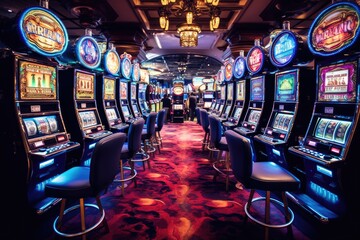
Casinos invest heavily in creating environments that stimulate the senses and evoke positive feelings, thereby influencing betting behavior. The use of lighting, color schemes, and sounds plays a crucial role in this psychological manipulation. Bright, vibrant colors and the sound of spinning reels and ringing bells create an atmosphere of excitement and anticipation, making patrons feel more inclined to gamble. Additionally, players often explore new options, such as uk casinos not on gamstop, when looking for diverse experiences.
Furthermore, the layout of a casino is meticulously planned to encourage exploration and movement. By designing pathways that lead guests through various gaming areas, casinos create an immersive experience that keeps players engaged longer. This continuous exposure often leads to increased betting as players become desensitized to the passage of time and the money they spend.
Variable Reward Systems
One psychological tactic casinos utilize is the principle of variable rewards, which is rooted in behavioral psychology. When players win sporadically rather than consistently, it creates a sense of uncertainty and excitement that compels them to keep playing. This unpredictability taps into the brain’s reward system, where the anticipation of winning becomes more compelling than the actual gains themselves.
This mechanism is particularly effective in slot machines, where players might experience a win after several losses, reinforcing their hope that the next spin could be the big one. The thrill of the chase keeps players engaged, as they are driven by the potential for a reward that is just out of reach, fostering a cycle of continuous betting.
The Illusion of Control
Casinos also exploit the illusion of control, which refers to the belief that players can influence the outcome of games through their actions. Many gamblers feel that their decisions, such as which numbers to play or how much to bet, can affect the results. This psychological phenomenon can encourage players to wager more, believing they are stacking the odds in their favor.
Games like blackjack and poker reinforce this illusion, as they involve skill and strategy. The perception that players can make choices that lead to better outcomes leads to increased confidence, which can result in higher stakes and more frequent betting. This behavior is a testament to how casinos cleverly manipulate psychological tendencies to maximize their profits.
The Role of Social Influence
Another significant psychological tactic employed by casinos is the influence of social dynamics. The presence of other gamblers can create a communal atmosphere that encourages people to participate and bet more. Social proof, the tendency for individuals to look to the behavior of others as a guide for their own actions, plays a significant role in gambling behavior.
When players observe others winning, they may feel compelled to join in, believing that they too can achieve success. The enthusiastic reactions of fellow gamblers can amplify the excitement and urgency to place bets. This social influence can lead to impulsive decisions, further driving up the overall betting activity within the casino.
Understanding Your Experience
While casinos use psychological tactics to influence betting, it’s essential for players to be aware of these strategies to make informed decisions. Recognizing the environment, reward systems, illusions of control, and social influences can empower individuals to gamble more responsibly. Being conscious of these factors allows players to maintain healthier habits and limits in their gambling practices.
This website aims to enhance your browsing experience while offering crucial insights into various gambling aspects. Understanding the psychological techniques at play can help users navigate their gambling experiences more effectively, ensuring they make choices that align with their values and well-being. Unknown gambling practices can sometimes lead to unintentional decisions, making awareness even more vital.


